
Unlike paid ads that stop working the moment you stop spending, a good blog post can bring in visitors for months or even years after you publish it. This is called evergreen content and it is the foundation of smart small business blogging. Content marketing also builds brand authority. When you consistently publish helpful posts, Google recognizes your website as a reliable source and starts ranking it higher. This means more free traffic without spending money on ads every month.
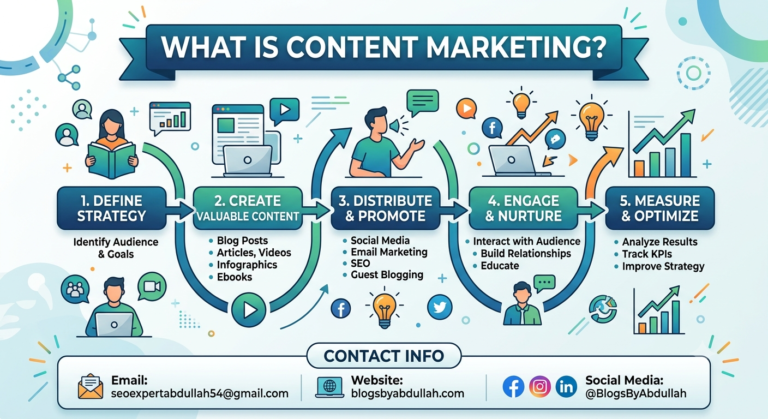
Content marketing means creating helpful and useful content that brings people to your business without paid ads. Instead of chasing customers, you attract them by answering their questions and solving their problems through blog posts, videos, social media, and more.It helps build trust and strong relationships between a brand and its audience. Content marketing also improves website traffic and search engine rankings. Over time, it can generate more leads and increase sales for a business.Content marketing also plays an important role in improving SEO and increasing website visibility on search engines. As more people engage with the content, it leads to higher traffic and better brand awareness. Over time, it can result in more leads, conversions, and business growth.
For small businesses, this is one of the most affordable and powerful ways to grow online. You do not need a huge team or a big budget. You just need to understand your customers and write content that helps them. When people search Google with a question related to your business and they find your blog post with the perfect answer, they start to trust you. That trust is what turns a visitor into a customer.
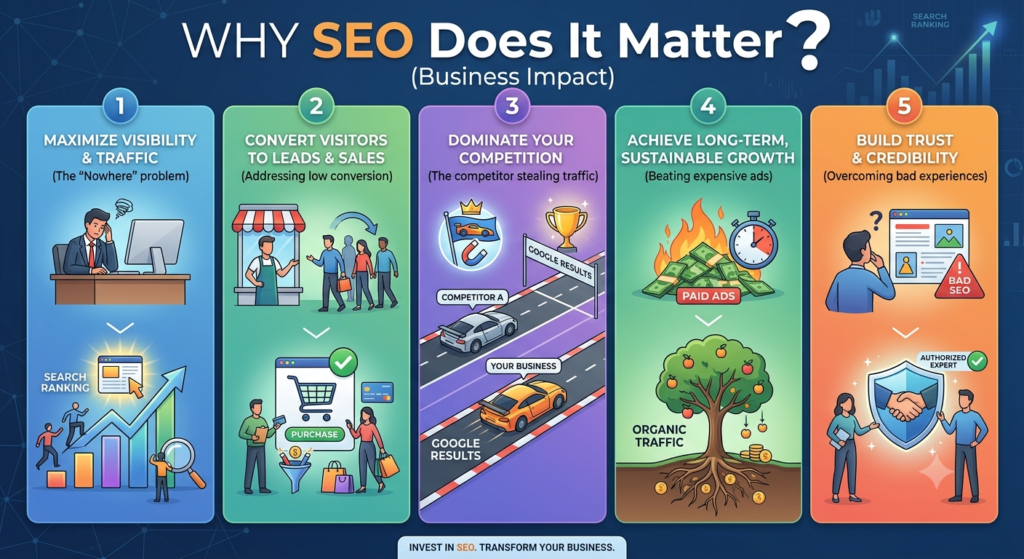
Not every blog topic will bring traffic to your website. The key is to write about things your customers are already searching for on Google.
Keyword research is the process of finding the exact words and phrases people type into search engines. If you write about topics nobody is searching for, your post will not bring any visitors no matter how well it is written. Start by thinking about the most common questions your customers ask you in real life. Then use a tool to see how many people are searching for those questions online.
Search intent means understanding what someone is looking for when they type a keyword. There are four types. Informational intent means the person wants to learn something. Navigational means they are looking for a specific website. Commercial means they are comparing options before buying. Transactional means they are ready to buy. Most small business blog posts should target informational and commercial intent. This is where people are learning and comparing options, and where your helpful content can build trust and move them toward a purchase.
Google Search Console shows you what keywords your site is already getting clicks for. This is a free tool and a great starting point.
Ubersuggest and Ahrefs both offer free versions with basic keyword data. You can enter a topic and see how many people search for it and how hard it is to rank for. Answer The Public is excellent for finding question-based topics. You enter a keyword and it shows you dozens of questions people ask around that topic. Each question is a potential blog post idea.
Write a step-by-step tutorial showing how to use your product or service. Teach your audience something useful related to your industry. Explain a common process in simple terms that beginners can follow. Create a beginner’s guide to your niche. Share your top five tips for solving a problem your customers face.
Share the story of how your business started. Write about a challenge you overcame and what you learned from it. Introduce your team and the people behind your brand. Share your values and what your business stands for. Write about a customer success story with their permission.
Write a detailed post explaining what makes your product or service different. Compare two solutions and explain honestly when yours is the better choice. Create a frequently asked questions post about your product. Write about common mistakes people make that your product or service solves. Share a behind-the-scenes look at how your product is made or how your service works.
Write a post tied to a holiday or seasonal event relevant to your audience. Share your predictions for what is changing in your industry this year. React to a trending topic in your niche with your expert opinion. Create a year-end review post sharing your business wins and lessons. Write a gift guide featuring your products or services.
Answer the top five questions you get asked most often. Share a case study showing how you helped a real customer. Write about what your best customers have in common. Create a resource list of tools and tips your audience will love. Interview a happy customer and publish it as a blog post.
Writing is only part of the job. You also need to structure your post so that Google can understand it and readers can easily follow it.
Your title should include your main keyword and be under 60 characters. It should tell the reader exactly what the post is about. Your meta description is the short summary that appears under your title in search results. Keep it under 160 characters and make it interesting enough that people want to click.
Use one H1 heading which is your main title. Use H2 headings for your main sections and H3 headings for sub-sections within those. Proper heading structure makes your post easier to read and helps Google understand your content better.
Internal links go to other pages on your own website. They help visitors explore more of your content and keep them on your site longer. External links go to trusted sources outside your website. Both types of links signal to Google that your content is useful and well-researched.
Every image you upload should have alt text, which is a short description of what the image shows. This helps Google understand your images and also makes your site more accessible to people using screen readers.
Every blog post should tell the reader what to do next. This could be to contact you, download something, read another post, or sign up for your email list. Without a clear next step, visitors will leave your site without taking any action.
A content calendar is a schedule that tells you what to publish and when. It helps you stay consistent and prevents the common problem of not knowing what to write about each week.
Start with one post per week if you can. If that feels like too much, one well-researched post every two weeks is still effective. What matters most is that you publish regularly. Google rewards websites that are updated consistently.
Instead of writing one post at a time, try writing several posts in one sitting. Choose your topics for the month, write all the outlines at once, then write the full posts. This saves time because your mind stays in the writing zone instead of switching back and forth between planning and creating.
One blog post can become many pieces of content. Take your top five tips from a post and turn them into five separate social media posts. Summarize the key points in an email newsletter. Record yourself talking through the main points and upload it as a short video or podcast episode. This is one of the smartest ways to get more value from every piece of content you create. You do the work once and share it in many different formats.
AI tools can help you brainstorm ideas, write first drafts, and check grammar. Some popular options for small business bloggers include ChatGPT, Claude, and Jasper. These tools can save time but they should never replace your voice or your genuine expertise.
Always review and edit anything an AI writes for you. Add your real experiences, specific examples, and personal opinions. Google ranks content based on experience and expertise, and those things come from you, not from a machine.
Look at organic traffic which is the number of people visiting your blog from search engines without clicking on ads. Check your average time on page to see if readers are actually reading your posts. Monitor your bounce rate which tells you how many visitors leave after viewing only one page. Track conversions which are the actions people take after reading your post such as filling out a contact form or making a purchase.
Google Analytics 4 is a free tool that shows you all of this data. Connect it to your website and check it at least once a month. Look for posts that are getting traffic and think about how you can make them even better. Also look for posts that are getting no traffic and consider updating or improving them.
Any post that is more than two years old should be reviewed. Update statistics, add new information, and remove anything that is no longer accurate. Google favors fresh and updated content. Sometimes updating an old post is faster and more effective than writing a brand new one.
If your business serves a specific city or region, local SEO is critical. Write blog posts that mention your city, neighborhood, or region naturally in the content. For example, instead of writing a general post titled Best Coffee Shop Tips, write one titled How to Choose the Best Coffee Shop in Downtown Chicago. Use Google Business Profile to share your blog posts. When you publish a new post, add a short update on your profile linking back to it. This signals to Google that your business is active and relevant locally.

Start with one post per week. If that is too much, one post every two weeks works well. Consistency is more important than volume.
Aim for 1000 to 1500 words. For competitive topics where other articles are longer, match or exceed their length.
Yes. Blog posts help you rank for long-tail keywords, build topical authority, and attract consistent organic traffic over time.
You can use AI to help with brainstorming and drafts but always edit the content, add your own voice, and include real examples before publishing.
How-to guides, customer success stories, FAQ posts, and tutorials tend to bring the most traffic and conversions for small businesses.
If you do not enjoy writing or do not have the time, hiring a content writer is a smart investment. Your time is better spent on what you do best inside your business.You said: final thoughts bhi
Your blog is not just a page on your website. It is the most powerful free tool you have to grow your business online. Every helpful post you publish works for you around the clock without you spending a single rupee on ads. The businesses that win online are not always the biggest ones. They are the ones that show up consistently, answer their customers’ questions honestly, and build trust over time through useful content. You do not need to be a perfect writer to start. You just need to start. Write your first post, publish it, learn from it, and improve with every next one. The more you write, the better you get and the more Google notices your website. Remember the basics. Pick topics your audience is searching for. Structure your posts with clear headings. Add links, optimize your images, and always end with a call to action. Then track what is working and do more of it. Content marketing is not a shortcut. It takes time and patience. But the results it builds are long-lasting. A blog post you write today can still be bringing customers to your business three years from now. That is something no paid ad can do. So start today. Write one post. Then another. Stay consistent and keep helping your audience. That is the simple formula that works every time.