

Driving consistent visitors to your website is the primary goal of digital marketing. Many website owners turn to paid advertising to get instant results, but paid ads require continuous financial investment. The moment you stop spending money, your traffic stops instantly. Relying on organic search traffic offers a long-term solution. When you optimize your site for search engines, you build an asset that continues to bring interested visitors without recurring costs.
To achieve sustained success, you must focus on the fundamentals of search engine optimization. Search engines aim to show users the most accurate and useful answers to their questions. By understanding search engine rules, producing well structured content, and fixing technical site issues, you can earn high rankings on search results pages.
Keyword research is the first practical step in any search engine optimization strategy. Keywords are the exact terms and phrases that users type into search boxes when looking for information. Instead of targeting short and general keywords that are hard to rank for, you should target long tail keywords. Long tail phrases are longer and more specific, which means they usually have lower competition and higher conversion potential.
Using reliable keyword research tools helps you find low competition terms with good search volume. Once you identify these phrases, structure your content to answer the user intent behind them. If a user wants a detailed step by step guide, your article must cover every single step clearly so they do not need to look elsewhere.
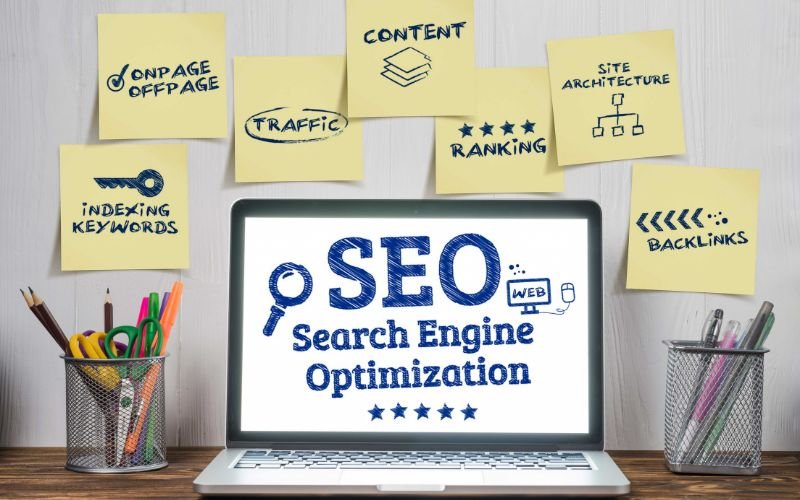
Once you have chosen your target keywords, you must place them strategically within your article. On page optimization helps search engine crawlers understand what your page is about. Your main target keyword should appear in your main title and early in your introduction.
Break your content down using clear headings and subheadings. Using descriptive subheadings makes your text easy to read for humans and easy to scan for algorithms. Incorporate related terms and natural variations throughout your paragraphs. Avoid repeating keywords unnaturally, as this practice can harm your site rankings. Instead, focus on smooth sentences that provide real value to readers.
Technical performance plays a massive role in ranking high on search engines. If your site takes too long to load, visitors will leave immediately. Search engines notice this behavior and lower your ranking as a result. You must optimize image file sizes, use lightweight website themes, and keep your site code clean.
Mobile responsiveness is equally critical. Most internet browsing happens on mobile devices today. Search engines index websites based on their mobile versions. Ensure your text is easy to read on small screens, buttons are easy to tap, and layout elements do not shift unexpectedly while loading.
Backlinks are links pointing from other websites to your pages. Search engines view external links as votes of confidence. When another site links to your content, it signals that your information is trustworthy and valuable. You can earn backlinks naturally by creating original research, helpful guides, downloadable templates, and detailed infographics. Reach out to relevant blogs in your industry, participate in guest blogging opportunities, and share your articles on professional community platforms to expand your reach.
Organic search engine optimization usually takes between three to six months to show noticeable results. Consistency in publishing quality content and building links speeds up the process over time.
Yes, free tools like Google Search Console, Google Keyword Planner, and search engine suggestions provide sufficient data to start building an effective keyword strategy.
Longer content generally ranks better because it covers topics more thoroughly. However, content quality and topic depth matter much more than word count alone.
Search engines evaluate your site based on how well it functions on smartphones. A poor mobile experience results in lower rankings and lost visitors.