
You don’t need to invest big bucks in marketing to attract local customers. Search engines reward proximity, relevance and real community feedback. That’s why smaller companies consistently beat large national chains in local search results. If you want to know how small businesses can outrank their local competition, the answer is to build a clear, location-based online presence. This guide will teach you the exact steps to optimise your business, get more local customers and rank at the top of Google maps and local search results.
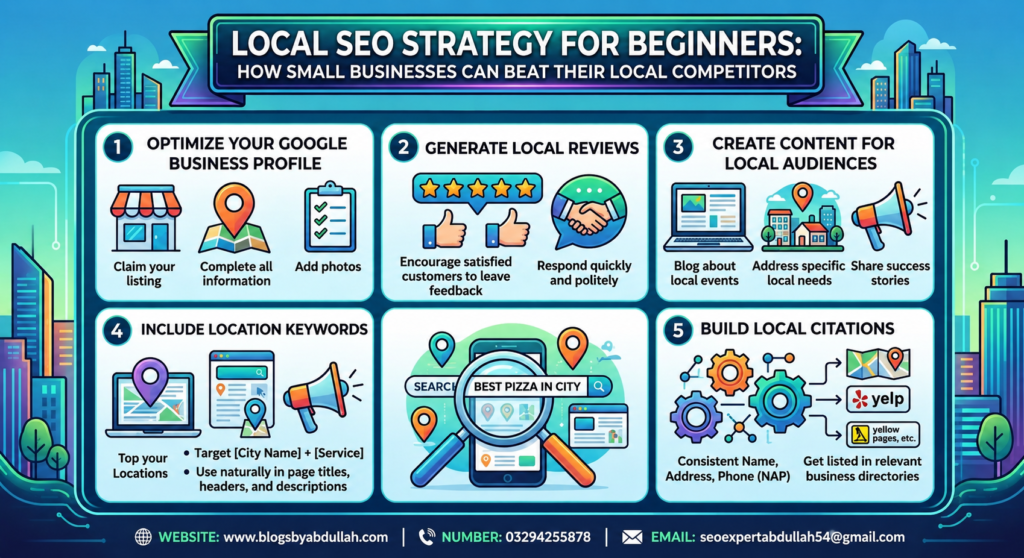
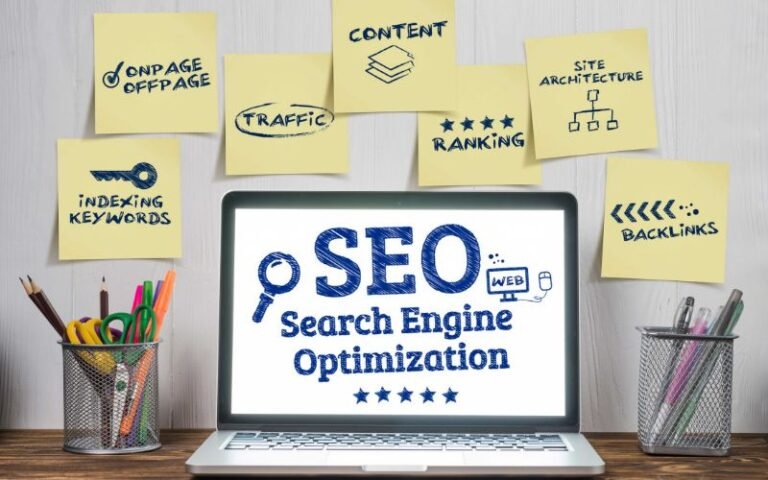
Local SEO is about optimising your web presence to get more business from relevant local searches. When someone searches for a service near them, such as ‘plumber in Austin’ or ‘best coffee shop open now’, local search engines employ local search algorithms to display the most relevant local businesses. Search engines rank businesses locally based on three main factors:
Proximity: How close your business is to the person searching.
Relevance: How well your business profile and website match what the user is looking for.
Prominence: How well known and reputable your business is on the Internet, based on reviews, citations and links.
When a user searches locally, Google displays two types of results in local search: the Local 3-Pack (a map with three local business profiles highlighted) and regular organic search results below the map. Both are covered by local SEO, helping your business get the maximum visibility.
Both strategies share common optimisation practices, but they target different audiences and search behaviours. The Importance of Local SEO for Small Business Growth
Local SEO gives small businesses an equal footing. You don’t have to outspend national corporate competitors to win local customers.
People looking for local services are often looking for help right now. A high percentage of local searches conducted on a mobile device lead to an in-store visit or a phone call within 24 hours.
The Google Local 3-Pack sits above regular organic search results on mobile screens. By taking a spot here you put your business right in front of active buyers before they even scroll to the larger brand sites.
Building your business profile, getting customer reviews, and local listings accurately will cost you a lot less than running constant paid ad campaigns.
Nearby buyers looking to support local businesses will immediately trust businesses with high review ratings and consistent business information.

Small businesses need to understand how Google measures local intent to beat local competitors. When determining which businesses appear in the Local 3-Pack and Google Maps, Google considers three main factors; Proximity, Relevance and Prominence.
Every change to Google’s search system is a balancing act between these three pillars. To score consistently, you need to know how each pillar works and which ones you can actually affect.
Proximity: The Impact of Physical Distance on Local Map Packs
Google draws an invisible circle around the user. A business 2 blocks away will often appear higher in map results than a business 3 miles away, even if the latter has more reviews.
If you have a brick and mortar location then your proximity baseline is your exact address. Google considers your proximity to customers by your verified hub address and established service areas if you run a service-area business (a mobile locksmith, electrician, plumber, or other service provider).
You cannot change your physical brick and mortar address without physically moving. But you can optimise for proximity by creating location-specific landing pages for surrounding suburbs, properly claiming your local listings and setting clear service boundaries.
Aligning Business Offerings with User Intent
Relevance is how well the content of your website and business profile matches what a user is looking for. Google wants to make sure when a customer searches for “emergency 24/7 plumbing repair,” it returns a result for a plumber who specialises in emergency repairs, not just general pipe installations.
Pick the Right Primary Category Your Google Business Profile primary category carries the most weight for local relevance. If you pick “Italian Restaurant” instead of just “Restaurant” you immediately win when people around you are searching for pizza or pasta. Complete All Business Attributes Fill out every detail of your profile, including secondary categories, hours of operation, payment options, and specific menus of services. Match Website Keywords to Search Intent Make sure your website’s main page titles, headers and descriptions include your specific services and your service area (e.g. “Commercial Roofing Contractor in Denver”).
Prominence is how well-known, trusted and authoritative your business is, both on the Internet and in your local community. This is the one place where a small business can really beat the big guys. With strong prominence, your business can rank highly even if the searcher is right outside your immediate physical neighbourhood.
Quantity, Velocity and Sentiment: Lots of stars and a steady stream of new reviews tell Google your business is active and trustworthy. Reviews contain service words and location names, which also aid your relevance.
Hyper-local links from local news outlets, high schools, sports sponsorships, and chamber of commerce directories are providing powerful authority signals to Google’s algorithm.
Listing consistent Name, Address, and Phone number details on directories across the web validates your legitimacy.
Once you understand how Google’s local algorithm works, you need to have a systematic plan to put in place.
set up your primary Google profile, align your website’s on-page signals, keep directory data clean across the web, and run an active review collection engine.
Claiming, Categories, and Attributes Your Google Business Profile (GBP) is your main shopfront in search results. Getting this free listing up & running right gives you the instant push needed to get into local Map Pack considerations.Claim & Verify Your Business Listing Find your business on Google Maps or add a new listing using the Google Business Profile dashboard. Complete verification to claim ownership (video recording, postcard or phone verification as requested by Google). Pick the Right Primary Category Your primary category holds more ranking power than almost any other profile field. Pick the exact category that describes your main revenue generator (pick “Commercial Roofer” or “Residential Roofer” – not just some general term like “Contractor”). Add Strategic Secondary Categories to Your Offerings Add 2-5 secondary categories for key secondary services. Don’t add too many unrelated categories as that kills the authority of your profile.
Enable the options that are applicable to your business (Wheelchair Accessible, Complimentary Wi-Fi, Online Appointments, Designated as Veteran-Owned). This information helps your profile show up when users apply certain filters in Google Maps.
Post High-Resolution Media and Regular Updates Upload high-quality photos of your shopfront exterior, interior of workspace, team members and completed work. Post announcements about events, special offers or recent work highlights weekly using Google Posts.
NAP Consistency and Location-Based Keywords Your website strengthens your GBP data. Google reviews your map profile and website content to verify that the information is accurate before displaying your site to local searchers.
Add your exact business name, physical street address and local phone number in your website footer. Be sure to clone your GBP listing exactly.
Add LocalBusiness structured data (JSON-LD format) to your website’s code. This code allows search engines to easily extract your operating hours, coordinates, address and service categories with no doubt.
Use your primary service keywords with the target geographic tags in your page titles, header tags (H1, H2), meta descriptions, and body content (i.e. Emergency Electrician in San Diego, CA).
Embed the direct Google Map iframe pointing to your verified GBP listing on your contact page or location landing pages.
Keeping It Consistent Across the Web Citations are mentions of your business name, address and phone number on external websites, directories and data aggregators. Accurate citations are online mentions that confirm your brick-and-mortar business is actually located where you say it is.
Submit accurate business info to the major data aggregators (including Data Axle, Neustar Localeze and Foursquare) which then provide location data to hundreds of smaller directories.
Establish and enhance your listings on prominent directories like Yelp, Apple Maps, Bing Places, YellowPages, BBB (Better Business Bureau), and specific industry directories (e.g., Avvo for attorneys, Houzz for home builders).
Conflicting details (a legacy phone number, an old street address, different business names) confuse search engines and decrease your local authority score. Perform periodic audits to revise or remove inaccurate or duplicate listings.
Reviews directly influence local rank in map packs and conversion rate with prospective clients. You can build long-term local prominence through strategic methods to gather and handle customer feedback.

The standard local setup gets your business in the game. It’s the advanced local strategies that separate the top local businesses from the rest. To win the #1 spot in competitive markets, small businesses must go beyond the basics of setup and build hyper-local authority through targeted content, community-rooted backlinks, and mobile-first search optimisation.
Generic local city landing pages often don’t cut it to beat established market leaders. Produce content that targets specific neighbourhoods, districts, and local events to capture high-intent searches from those areas. Create Neighbourhood Landing Pages for Your Business If you operate in a large metropolitan area, create separate pages for neighbourhoods or sub-markets (“Plumbing Services in Downtown Austin” vs. “Plumbing Services in Hyde Park”). Talk about local projects or local building codes or neighbourhood issues that are particular to that area.
Write blog posts or create guide resources on local annual festivals, charity drives or regional industry events. Cover Community Events and Local News. This demonstrates strong community ties and naturally targets long tail local search phrases.
List jobs completed in specific zip codes. Add client testimonials, neighbourhood pictures and short descriptions of the problem solved. This creates localised search relevance and provides real social proof for visitors to your site.
Taking Advantage of Community Partnerships & Sponsorships
Standard SEO is heavily reliant on getting links from high domain blogs. Local SEO, conversely, relies heavily on links from hyper-local sources, even if those local sites have lower traffic metrics. Local high schools or community groups linking back to your site often have more weight for local rankings than a link from a national trade blog
Local sports leagues, charity runs and community centers often list sponsors on their official websites with direct links. These local links send strong geographic authority signals to Google.
List active member profiles on your city’s Chamber of Commerce, local business alliances, and regional trade groups. These listings offer important links to local authorities and verify that your business is physically present. Partner With Local Businesses That Don’t Compete With You: Propose a cross-promotion of services to the companies in your area that provide complementary services. A home staging company, for instance, could swap guest posts or resource links with a nearby real estate agency or moving company.
Much of the high-intent local search traffic is from mobile devices or via voice-activated assistants (like Siri, Google Assistant, or Alexa) while people are on the go. By optimising for these high-intent searches, you can capture customers at the exact moment they are ready to purchase.
Voice searches are often longer and more conversational than typed searches. Create content around natural spoken questions. “Emergency plumber near me open now”
Answer in short 2- to 3-sentence answers directly below heading tags in the form of questions. A simple and direct format makes your content easy for search engine AI systems to extract for voice responses and direct search summaries.
Make sure your website loads in less than 2 seconds on mobile connections. For mobile landing pages, put a large “Call Now” button and quick map direction links at the top to reduce friction for users who need immediate service.
A local search strategy was used. You need to track performance data regularly to make sure your optimisation efforts are actually driving business growth. By monitoring the correct local metrics you can focus on the tactics that are driving revenue and make changes where needed. Foot Traffic in Your Neighbourhood & Online Conversions: The Metrics That Matter Measuring local SEO success isn’t just about website pageviews. You should be tracking metrics that tie online visibility to real-world customer actions, such as calls, map directions, and foot traffic. Google Business Profile Insights (Interactions) Track key action metric data in your GBP dashboard:
The number of users who pressed the “Call” button directly from your map listing.
The number of searchers who asked Google Maps for driving directions to your location
How many users clicked through to your site from your local profile.
See where you rank for the Google Local 3-Pack for the radius of your specific target location. Tools like geo-grid rank trackers tell you where you rank neighbourhood by neighbourhood.
Track organic local search traffic completed contact form submissions, live chat launches, and scheduled appointments using Google Analytics 4 (GA4). Review Growth and Sentiment Trends: Monitor your average star rating, total review volume and steady stream of new reviews against your top 3 local competitors over time. Offline Foot Traffic & Referral Questions Ask new walk-in customers or callers how they found your business. Simple front desk tracking usually confirms local search attribution that digital tools miss.
Local SEO helps businesses appear in local search results when customers search for nearby products or services.
Traditional SEO targets broader audiences, while Local SEO focuses on attracting customers within a specific geographic area.
It increases local visibility, drives foot traffic, and helps businesses compete with larger brands in their area.
NAP stands for Name, Address, and Phone Number. Consistent information across all platforms improves trust and rankings.
Local citations are mentions of your business details on directories, websites, and online listings.
Local SEO is one of the most effective digital marketing strategies for small businesses looking to attract nearby customers and increase revenue. By optimizing your Google Business Profile, maintaining consistent business information, earning positive reviews, creating locally relevant content, and building strong community connections, you can improve your visibility in local search results. Focus on delivering value to your audience while consistently monitoring your performance, and your business will be better positioned to outrank local competitors and achieve long-term growth in your target market.